
High performance under pressure Developing capability that lasts
Leadership Event Recap | Banking & Financial Services | March 25th 2026
At Intuition’s recent leadership forum, the conversation centred on a challenge many firms are still working through: how to build performance that can withstand pressure, uncertainty, and change.
This page captures key reflections from that discussion, where leaders explored why durable performance depends on capability that is developed in role, reinforced over time, and closely connected to the realities of day-to-day work.
High performance under pressure Developing capability that lasts
Leadership Forum | Banking & Financial Services
An invite-only evening for senior leaders focused on a practical question:
How do you build capability that holds up under real pressure – scrutiny, volatility, regulation, lean teams, constant change, and better judgement under load?
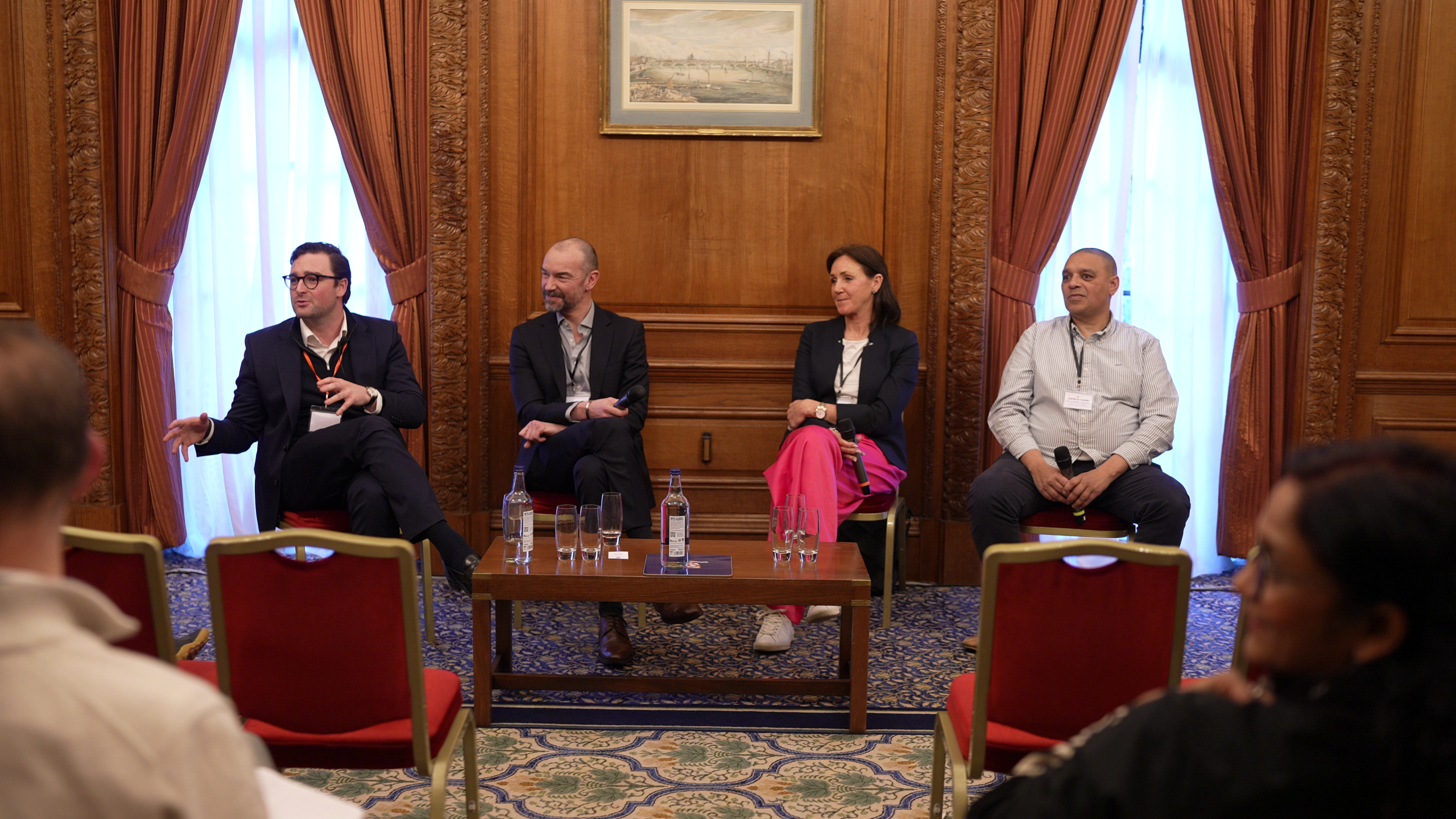
A panel discussion on what works in 2026 (and what doesn’t) when you’re trying to build sustained performance in financial services: the conditions leaders need, the behaviors that stick, and how learning translates into execution.
Date: March 25th 2026, Wednesday
Session Time: 5 PM – 7 PM GMT
Venue: Brewers’ Hall, London EC2V 7HR
Meet the Panel

Phil Dobson
Founder of BrainWorkshops and author of The Brain Book. Phil specializes in neuroscience-driven performance, helping leaders improve focus, decision-making, resilience and cognitive effectiveness under pressure. He works with senior teams across media, tech and professional services.

Claire Foy
Former Head of Wealth Capability at Coutts, where she spent nearly two decades building leadership and capability frameworks inside a complex, regulated banking environment. Claire now works as an Executive Coach with senior leaders on performance, mindset and sustainable leadership.
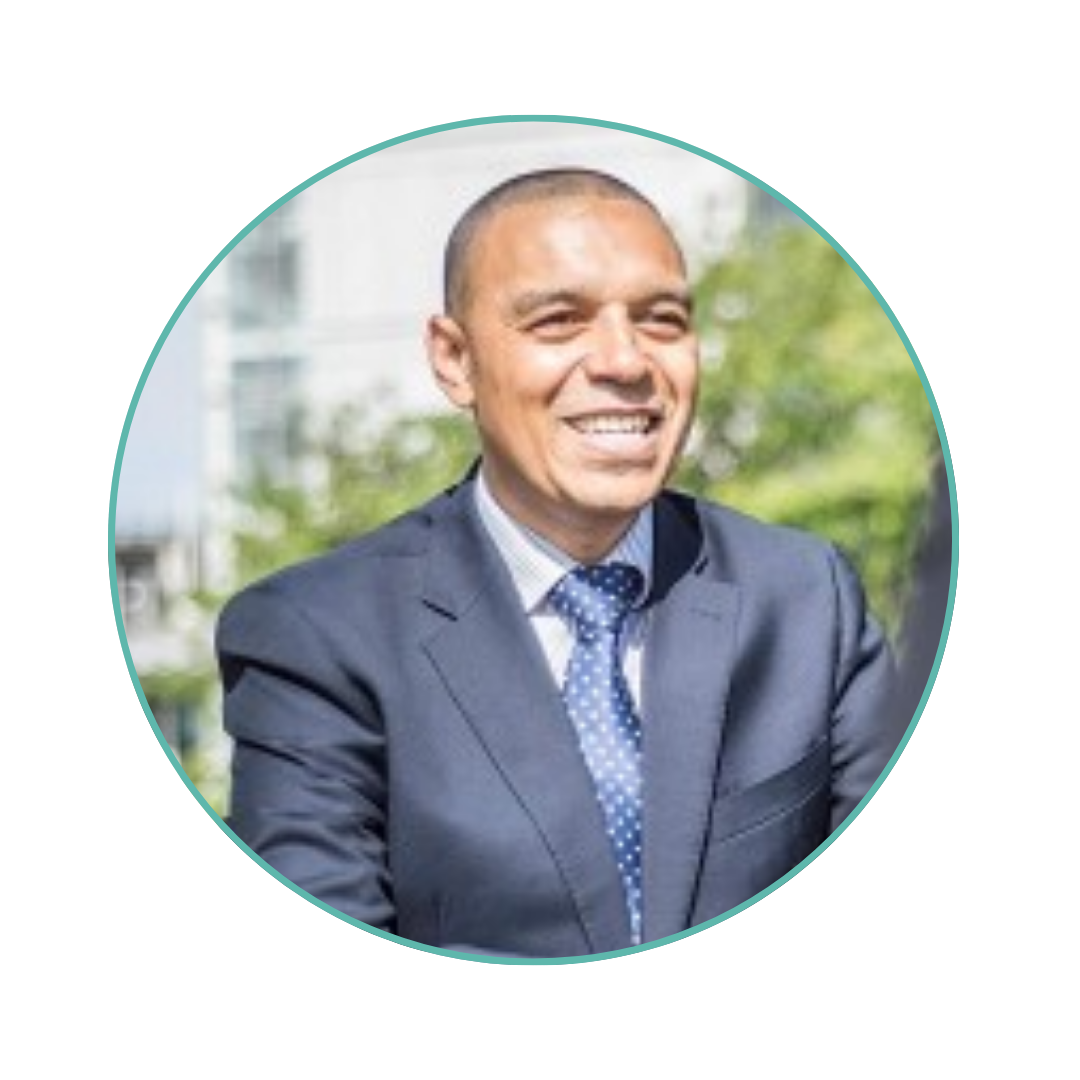
Martin le Comte
Leadership speaker, executive coach and co-author of The Ten Golden Rules of Leadership. Former VP of Learning Design & Delivery at NatWest Markets, Martin brings deep experience translating leadership strategy into day-to-day performance across global banking organizations.
Pressure has become part of the operating environment.
Pressure is no longer something that appears only at peak moments. For many leaders and teams, it now sits in the background of everyday work. Workload, mental overload, and time poverty are combining with uncertainty, volatility, and constant change to create a more demanding context for performance.
That matters because these conditions affect the very capabilities organizations rely on most. Judgement, focus, adaptability, decision-making, and leadership effectiveness all become harder to sustain when pressure is prolonged and recovery is limited.
Recovery deserves a place in the performance conversation.
A strong theme from the session was that performance cannot be treated as a simple question of effort or output. When people are expected to operate at full stretch for too long, the impact shows up in more than energy levels. It affects clarity, emotional regulation, perspective, and the quality of decisions.
This is where the idea of sustained performance resonated strongly. It gives organizations a more useful language for talking about capability, because it connects individual wellbeing, team effectiveness, and business outcomes in a more practical way.
In short, sustained performance depends on recovery.
Attendance is easy to count. Capability takes more discipline to build.
One of the clearest insights from the discussion was that many firms are still focused on attendance when the bigger opportunity lies in capability. Content, events, and formal learning all have their place, but they do not automatically translate into stronger performance in role.
Capability grows when learning is applied, reinforced, and revisited in the context of real work. That means moving closer to in-role learning, practical application, and everyday relevance. It also means asking more demanding questions.
Are people learning something they can use? Is it helping them navigate the challenges they actually face? Is it shaping what they do after the session ends?
Relevance is what makes learning land.
In time-poor environments, learning has to earn attention quickly. People are far more likely to engage when the value is visible, the application is clear, and the experience feels connected to a real problem rather than an abstract development goal.
This came through in several parts of the conversation. Learning is more effective when it is practical, personalized, and embedded into the flow of work. Too much choice can overwhelm. Generic content can fade into the background. What tends to make the difference is focus, timing, and a clear link between the learning experience and the reality of the role.
That also has implications for design. Low engagement is not always a people issue. In many cases, it is a sign that the learning offer is too distant from the pressures of the job, too theoretical, or too loosely connected to what success looks like in practice.
Managers remain the biggest lever.
Another clear theme from the evening was the role managers play in whether capability building actually carries through into the business. Managers are often the point at which learning is either reinforced or quietly deprioritized. They shape conversations, create feedback loops, and help teams connect development with day-to-day performance.
This is especially important in high-pressure environments, where managers themselves are often caught between competing demands. They are close enough to the work to feel the pressure directly, but also responsible for creating the conditions in which others can learn, adapt, and perform. That makes them one of the biggest risks in the system, and one of the biggest opportunities.
Behavior change rarely starts with content alone.
The session also highlighted a broader point about what drives durable change. Skills matter, but they are only one part of the picture. Performance is shaped by behaviours, mindsets, habits, and identity, especially when people are under pressure.
That is why some of the most lasting shifts in organizations happen beyond formal knowledge transfer. They happen when people are supported to reflect, practice, experiment, make mistakes, and build confidence in how they respond in live situations.
In other words, capability building becomes stronger when it is treated as an ongoing discipline rather than a standalone event.
Language matters when making the case internally.
One of the more practical insights to emerge from the discussion was the importance of language. Terms like resilience often resonate with learning professionals, but they do not always land in the same way with senior stakeholders. Sustained performance, by contrast, tends to connect more directly to commercial outcomes because it speaks to continuity, judgement, effectiveness, and results over time.
That matters for anyone trying to build support for learning initiatives internally. The challenge is not only to design the right intervention, but to frame it in language that shows clear value to both the individual and the organization. When that connection is made well, capability building becomes easier to position as a business priority rather than a development add-on.
What does this now mean for firms?
For organizations thinking seriously about performance under pressure, the message from the session was a practical one.
Stronger performance depends on more than activity, attendance, or one-off interventions. It depends on capability that is relevant, applied in role, and reinforced over time.
That requires learning experiences that connect clearly to real work, managers who can carry the message forward, and a culture that values development as part of performance rather than something separate from it.
For firms operating in demanding environments, that is where durable capability begins.
Build capability that holds under pressure.
Intuition works with firms to build the knowledge, judgement, and behaviours people need to perform in demanding environments. Through applied learning, expert facilitation, and solutions designed around real business challenges, we help organizations move beyond attendance and towards capability that is reinforced in role and sustained over time.
Talk to our team: