


How to build stronger risk capability in practice
About Intuition
Since 1985, Intuition has partnered with leading financial institutions and global organizations to build capability in complex, regulated environments. As a strategic learning partner, we help organizations develop the knowledge and skills required to make better decisions in practice, not just in theory. Our work in risk focuses on strengthening how decisions are made under real conditions, where uncertainty, time pressure, and imperfect information are part of the process.
***
If you map out how risk decisions are expected to work, the structure is clear and, in many ways, reassuring.
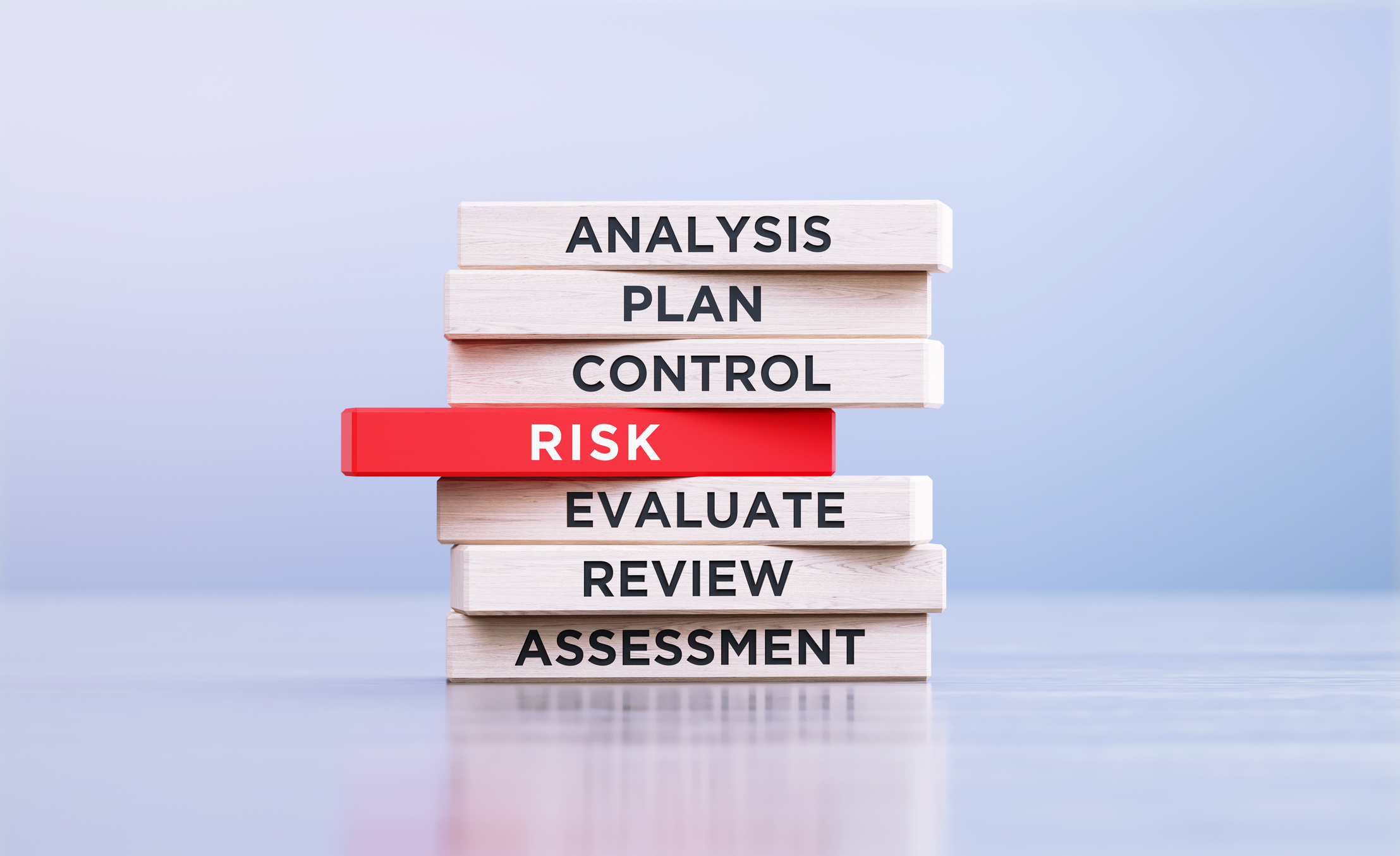
Risks are identified, data is gathered and validated, exposure is measured using established models, and outcomes are compared against risk appetite. Decisions are then documented, monitored, and adjusted over time, supported by governance structures that include committees, escalation paths, and defined ownership.
On paper, it works. The process is logical, repeatable, and designed to ensure consistency across the organization. That structure is not optional. It is essential for control, accountability, and scale.
But it is only part of the picture.
Because while this is how risk decision making is designed to operate, it is not always how it unfolds in practice.
Top 6 challenges for risk teams in 2026
This article is also available in podcast/video form. Watch the video below from our YouTube channel, or follow The Intuition Finance Digest on Spotify, Apple Podcasts, or Amazon Music.
Where the process meets reality
In reality, risk decisions rarely present themselves in a clean, structured way. They tend to emerge gradually, shaped by incomplete information, changing conditions, and the need to act before everything is fully understood.
The data may be available, but not entirely reliable. Models may produce outputs, but those outputs depend on assumptions that may no longer hold. Frameworks provide direction, but not always clear answers.
At that point, escalation often becomes the default response. In theory, escalation should bring clarity. In practice, it often just moves uncertainty elsewhere, adding time without necessarily improving the decision.
This is usually where the nature of the decision begins to shift.
How risk capability is built in practice
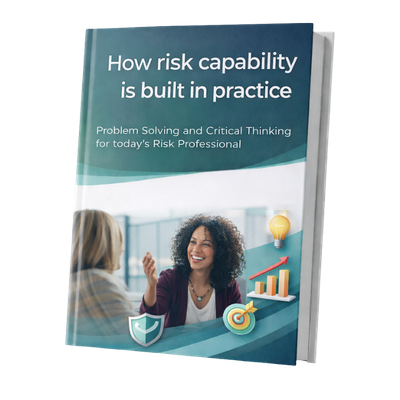
This document outlines how we work with risk teams to develop problem-solving and critical thinking capability in practice. It shows how we help risk professionals move from risk avoidance toward risk intelligence, and from rule enforcement toward informed decision support, using real scenarios, practical frameworks, and learning designed to scale.
What actually drives the decision
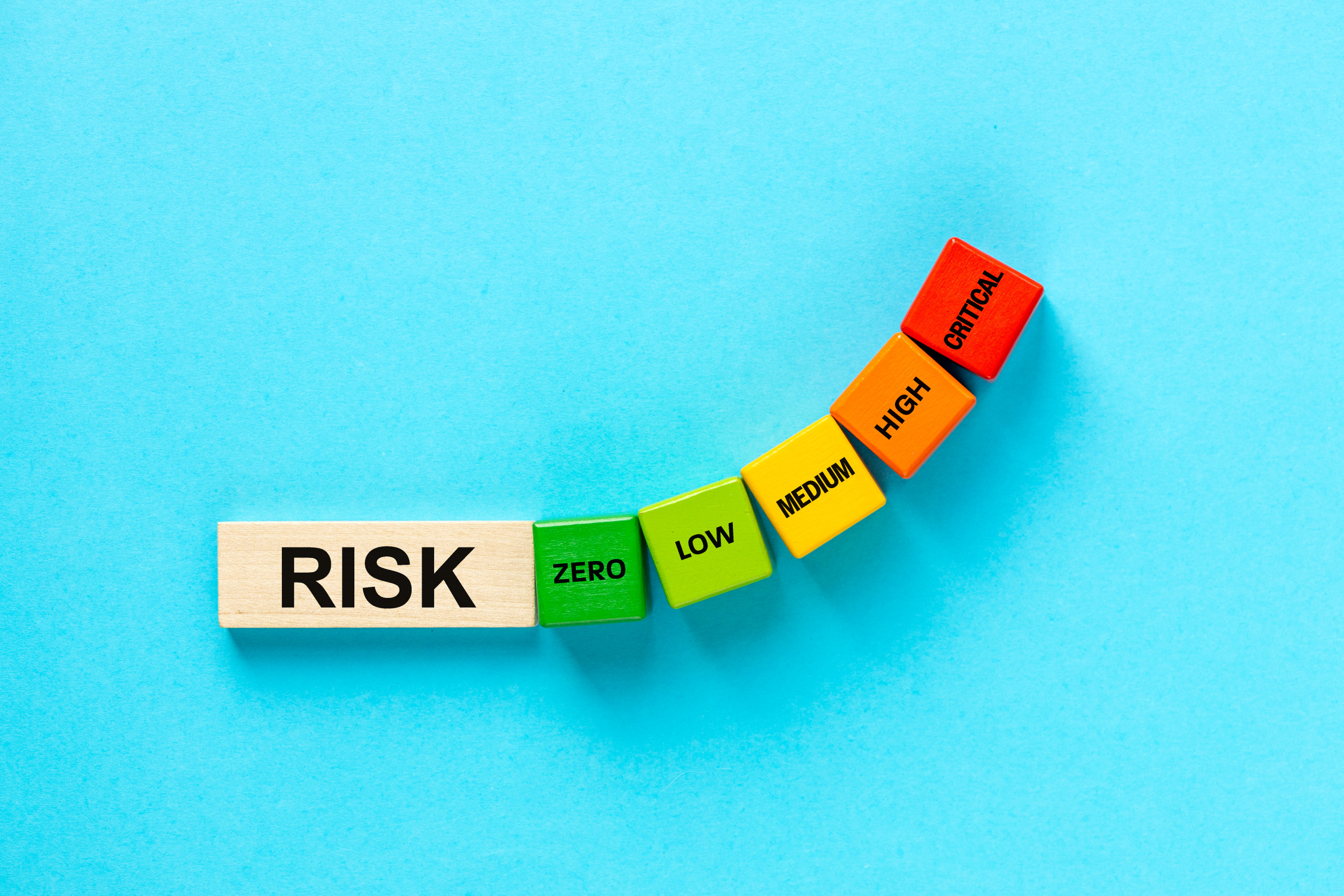
When the limits of structure are reached, the decision does not stop. It changes form.
The conversation moves away from following a defined sequence and toward working through questions that do not have immediate answers. Is the data complete or partial? Are the model assumptions still valid? Does the decision sit within appetite formally but feel outside of it in reality? And who is willing to take ownership of the outcome?
Frameworks alone cannot resolve these questions.
They require interpretation, context, and judgment. The process remains in the background, but the quality of the decision depends on how people engage with it. How they challenge what they see, how they interpret uncertainty, and how they communicate their thinking in a way others can act on.
The capability that makes the difference
This is where capability becomes the differentiator.
Most organizations are not lacking technical knowledge. Risk professionals understand models, frameworks, and regulatory requirements. That foundation is generally strong.
What is less consistent is the ability to apply that knowledge when conditions are not ideal. When data is incomplete, signals are mixed, and time is limited, the framework does not provide a complete answer.
In those situations, capability looks different. It is less about recall and more about reasoning. Less about following a process and more about working through ambiguity. Less about applying rules and more about understanding when to adapt them.
When this capability is developed deliberately, the impact is noticeable. Decisions move more efficiently, communication becomes clearer, and risk starts to support the business in a more consistent way.
Why this matters for learning and development
For learning and development teams, this creates a practical challenge.
Most risk training focuses on building technical understanding, which is necessary. Models, frameworks, and regulatory knowledge form the foundation of the function.
But if development stops there, a gap remains.
Because effectiveness in risk is not just about what people know. It is about how they use that knowledge when situations are unclear. That is where problem solving, critical thinking, and communication become central, not supplementary.
Building this requires a different approach to learning. It means creating experiences that reflect real conditions, where information is incomplete, trade offs must be made, and there is no single correct answer. It means helping people interpret, challenge, and move forward, rather than simply follow a defined process.

Where risk is really managed
Risk is not managed solely in policies, models, or frameworks. These provide structure, consistency, and scale, but they do not make decisions on their own.
The decision happens in the moment when someone has to assess what is in front of them, make sense of it, and choose a direction.
Organizations that recognize this, and invest in building that capability, begin to experience risk differently. It becomes less of a point of delay and more of a source of clarity. Less of a constraint and more of a function that helps the business move forward with greater confidence.
How risk capability is built in practice
Then there are the newer categories of risk; climate, AI, digital assets, which are now firmly part of the conversation, but still developing in terms of how they are measured and governed.
What stands out here is the lack of standardization. There are no universally agreed metrics, limited historical data, and evolving methodologies. That makes it harder to quantify exposure, set meaningful limits, or build consistent governance frameworks.
In many cases, risk teams are building the approach at the same time as they are managing the risk itself.
Frequently asked questions
What is risk capability in practice?
Risk capability in practice is the ability to apply risk knowledge effectively when conditions are unclear, information is incomplete, and time is limited. It goes beyond knowing frameworks, models, and governance processes. It includes interpreting data carefully, challenging assumptions, using judgment, and communicating clearly so decisions can move forward in a controlled and practical way.
Why is a risk framework only part of the picture?
Risk frameworks are essential because they provide structure, consistency, ownership, and control across the organization. However, real decisions do not always unfold neatly within that structure. Data may be unreliable, assumptions may shift, and the framework may not provide a complete answer. In those moments, decision quality depends on how people interpret the situation and apply judgment.
Why do risk decisions become more difficult in real environments?
Risk decisions become harder in practice because they are often shaped by incomplete information, changing context, and pressure to act before everything is fully understood. Models may still produce outputs, but those outputs rely on assumptions that may no longer hold. As uncertainty grows, the decision becomes less about following a sequence and more about reasoning through ambiguity.
Does escalation always solve uncertainty in risk decisions?
No. Escalation can be necessary, especially in regulated environments, but it does not automatically resolve uncertainty. In practice, it can sometimes move the issue elsewhere and add time without adding much clarity. When that happens, the real challenge remains the same: someone still has to interpret the available information, assess the trade-offs, and make a decision.
What skills strengthen risk capability beyond technical knowledge?
The article highlights problem solving, critical thinking, reasoning, judgment, and communication as the capabilities that strengthen risk decisions beyond technical knowledge. Risk professionals may understand models and frameworks well, but effectiveness depends on how they use that knowledge when conditions are not ideal. Strong capability shows up in how people interpret uncertainty, challenge weak signals, and explain decisions clearly.
How should learning and development build stronger risk capability?
Learning and development should build risk capability by going beyond technical instruction and creating learning that reflects real situations. That means using scenarios where information is incomplete, trade-offs must be made, and there is no single correct answer. The goal is to help people practice interpretation, challenge assumptions, and move decisions forward, not just apply a process mechanically.
How risk capability is built in practice
This document outlines how we work with risk teams to develop problem-solving and critical thinking capability in practice. It shows how we help risk professionals move from risk avoidance toward risk intelligence, and from rule enforcement toward informed decision support, using real scenarios, practical frameworks, and learning designed to scale.
